The Other Kumamoto Menu: Horse Sashimi, Mustard Lotus Root, and Red Beef
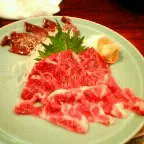
Photo: The original uploader was Hykw-a4 at Japanese Wikipedia., CC BY-SA 3.0, via Wikimedia Commons
Every visitor to Kumamoto gets told the same thing: eat the ramen. Fair enough. The tonkotsu here is thick, pale, and worth the wait. But the bowl that made the city famous is also the reason a lot of travelers fly home without ever tasting what locals actually order on a Friday night.
Kumamoto has its own menu. Raw horse, brought to the table cold and arranged like jewelry. Lotus root packed with mustard and fried until the crust crackles. Beef from red-brown cattle that graze on the volcanic slopes outside town. None of it is stunt food. All of it is ordinary here, which is exactly why it's worth your afternoon.
Here's what each dish is, how to order it, and a loose route that strings them together without turning your day into a scavenger hunt.
Basashi: Raw Horse, Served Cold, Taken Seriously
Start with the one that makes people nervous. Basashi — horse sashimi — is Kumamoto's signature, and the prefecture raises more horses for the table than anywhere else in Japan. This isn't a novelty item trotted out for tourists. It's standard izakaya fare, and it's treated with the same care a good steakhouse gives a ribeye.
What to expect. Thin slices, deep ruby-red, often fanned out on a plate with shiso leaves and a knob of grated ginger. The cuts have names worth knowing: akami is the lean leg meat, clean and mineral; futomomo is the thigh, a little richer; shimofuri is marbled and soft; kone is fatty belly with a texture closer to cured meat. Order a moriawase — an assortment — and work through them side by side.
How to eat it. Soy sauce and grated ginger are the baseline. Some shops bring garlic, wasabi, or a sweet-house sauce. Use a light hand; the meat is mild and sweet, closer to a really good beef tartare than to anything gamey. Let the plate sit for a minute when it lands — it's served cold on purpose, but ice-cold mutes the flavor.
Where. Look for a basashi senmon-ten, a horse-meat specialist. Kumamoto city has several, including well-known shops around the Shinshigai and Hanabatake arcade districts, plus specialists with their own butcher counters. Reserve if you're eating after 7 p.m. on a weekend. And yes, the staff will understand if you only want a small plate to try.
Karashi Renkon: The Snack That Bites Back
Karashi renkon is the sleeper. Lotus root, sliced, stuffed with a mustard-and-miso paste, coated in a thin batter, and fried. The first bite is crunchy and mild. A second later, the mustard reaches the back of your nose and you understand why the dish has survived for centuries.
Local lore credits a Zen monk with the invention — the story goes that mustard-miso was already a medicinal staple, and someone had the good sense to pack it into a vegetable and fry it. Whatever the origin, the result travels well: it's sold everywhere from department store food halls to train station kiosks, vacuum-sealed for the flight home.
How to eat it. No sauce, no dip. It's seasoned. Eat it warm if you can, with cold sake or a highball, and pay attention to the mustard ratio — cheap versions go heavy on batter and light on heat. A good one tastes like a radish crossed with a pretzel.
Where. The food basement at Tsuruya on Kamitori is a reliable one-stop for karashi renkon, basashi-adjacent snacks, and anything else you want to carry home, and dedicated karashi renkon shops around the arcades sell it fresh-fried. Buy two. One for now, one for your hotel room at 11 p.m.
Akaushi: Red Beef, Not a Lesser Wagyu
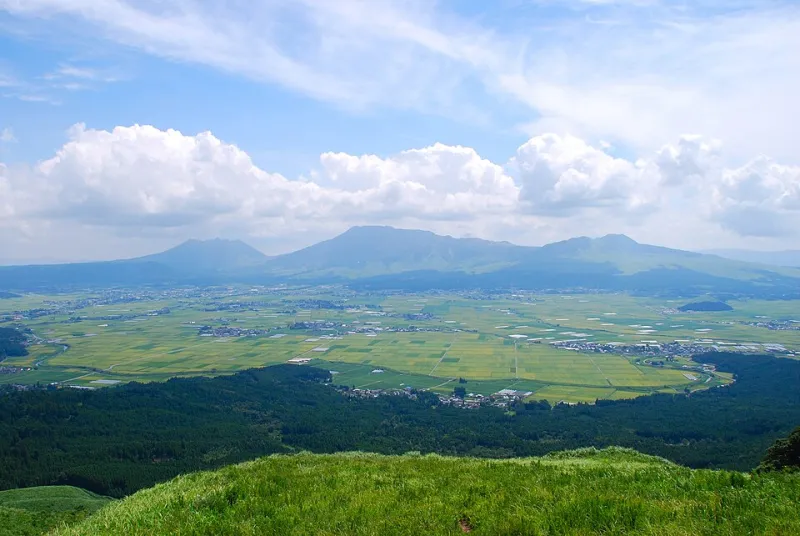
Akaushi — Japanese Brown cattle, akage washu — is the third pillar, and the one most likely to be misunderstood. This isn't the heavily marbled black wagyu you've seen on steakhouse menus in the States. The fat runs finer, the meat is redder, and the flavor is beefier and slightly sweet rather than buttery. Much of it is raised right here, on the grass around Aso.
How to eat it. Yakiniku is the move: order a few cuts, cook them fast over charcoal, and don't walk away from the grill. Akaushi is lean enough that overcooking turns it tough, and the fat renders quickly. Salt first, sauce second. Rice and a bowl of soup on the side, always. Roadside stations out toward Aso also serve it as akaushi donburi — a grilled-beef rice bowl that's the best cheap lunch in the caldera.
Where. Any decent yakiniku restaurant in Kumamoto city will have it, and the ones with charcoal grills are worth seeking out. Out in Aso, farm restaurants and michi-no-eki stands sell it by the plate or the bowl with a side of volcano views.
The One-Day Route
Morning. Reconnaissance at the Tsuruya food hall on Kamitori. Buy karashi renkon to snack on later and get a look at what local groceries actually stock.
Lunch, around 11:30. Basashi at a specialist near the arcades. Go early — the good shops fill, and a lunch order is cheaper than the same plate at dinner. Order the assortment, a bowl of rice, and something pickled.
Afternoon. Walk it off at Suizenji Jojuen, the landscaped garden with its miniature Mount Fuji mound, then find a fresh-fried karashi renkon counter for a second round. This is also your window to buy vacuum-packed boxes for the people back home.
Dinner, around 6. Akaushi yakiniku, charcoal if you can get it. Sit at the counter if you're solo. Order three cuts to start, add more once you know what you like, and finish with rice rather than dessert.
Etiquette, Briefly
- Tipping isn't a thing. Pay at the register, say gochisousama deshita on the way out.
- Many izakaya charge a small otoshi seating fee that comes with a snack. It's normal, not a scam.
- Cash still works better than you'd expect in smaller shops.
- Don't pour your own beer if someone's pouring for you; return the favor.
- If horse isn't for you, say so and move on. Nobody in Kumamoto will push — they'll just point you toward the akaushi.
The ramen will still be there tomorrow. Order the thing you can't get at home.