Salt Air, Stone Churches, and Uni Rice: A Car-Free Amakusa Weekend
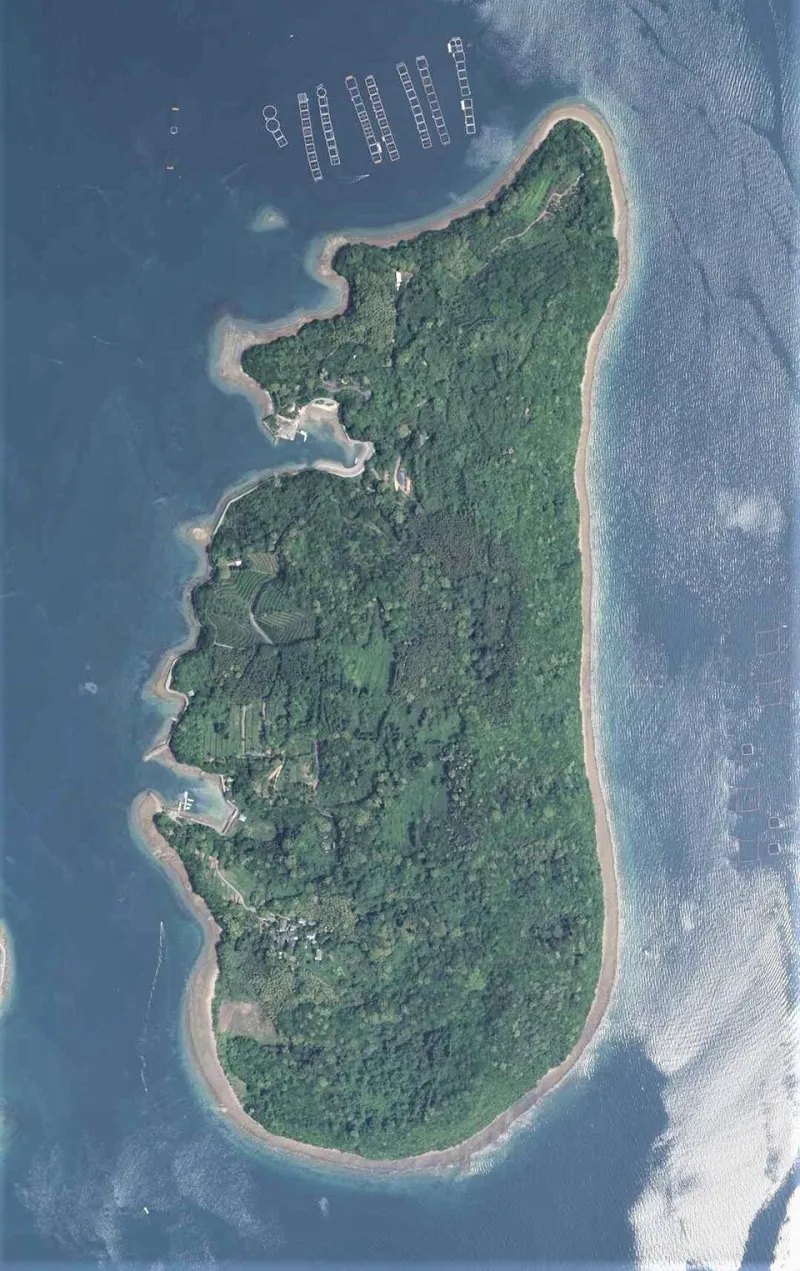
Photo: 国土地理院, Attribution, via Wikimedia Commons
Amakusa is not one island but a salt-bitten archipelago off Kumamoto's west coast, and it has a way of making rental-car brochures feel unnecessary. The catch is patience. Ferries are not frequent, buses are not plentiful, and the best moments happen at harbor speed. If you have ever planned a national park trip around a shuttle schedule, you already have the right mindset.
The route at a glance
Kumamoto to Misumi Port by bus, ferry across to Shimoshima, local buses between Hondo, Itsuwa, Sakitsu, and Ushibuka, then ferry back. Two days, one overnight, no car. Build in slack. This is not a sprint, and the islands do not reward impatience.
Day 1: Ferry decks and dolphins
Leave Kumamoto early. The bus to Misumi Port takes you out of the city and into a landscape of low hills and gray water. At the port, buy your ferry ticket, find a seat by the window, and let the mainland shrink. The crossing is short enough that you will not get bored, but long enough that the air changes. On deck, look for fishing buoys, seabirds, and the layered green edges of the islands.
From the ferry landing, local buses connect toward Hondo and the Itsuwa area. This is where you want to be for dolphin watching. Boats head out from the Itsuwa coast, and the odds are good—Amakusa's coastal waters are known for dolphins that stay close to shore. Book ahead if you can, especially on weekends. Bring a windbreaker even on a warm day; the boat will feel cooler than the harbor. If the sea is rough, trips can be canceled, so keep your schedule flexible.
After the boat, head back to Hondo for the evening. This is not a resort town. It is a small city with harbor lights, a few good seafood restaurants, and the pleasant feeling of being slightly off the main tourist trail. Ask at your inn or the tourist information desk for a local fish recommendation. Eat early. Sleep well.
Day 2: Stone churches and sea urchin rice
Start with Sakitsu, a village that belongs to the UNESCO-listed Hidden Christian Sites of the Amakusa region. The church here is not a museum piece; it is an active place of worship with a long and complicated history. Dress modestly, keep your voice low, and do not photograph services. The village around it is just as affecting—narrow lanes, stone steps, and a harbor that looks like it has been holding the same view for centuries.
Then make your way toward Ushibuka for lunch. The target is uni gohan, sea urchin rice, a local specialty that tastes like the sea decided to become butter. It can be seasonal, and not every restaurant serves it every day. Call ahead if you can, or ask the tourist information office for the current reliable spots. If uni is off the menu, pivot to a seafood bowl—this is still a harbor town, and the fish will not let you down.
After lunch, walk the harbor. Ushibuka is the kind of place where the main attraction is the ordinary rhythm of boats coming in and nets being sorted. Then catch the ferry back to Misumi and the bus to Kumamoto. Check the last sailing times before you commit to a long lunch. Island ferries do not wait for anyone's second cup of coffee.
Timing tips that save the trip
- Check ferry and bus schedules the day before. Screenshot them, because signal can be spotty.
- Carry cash for buses, ferries, and small restaurants. IC cards may not work everywhere out here.
- Book the dolphin boat and your inn in advance, especially in spring and fall.
- Leave buffer time between bus arrivals and ferry departures. Ten minutes is not enough.
- Weather can cancel boats. Have a backup plan: a harbor walk, a local museum, a longer lunch.
What to pack
A small bag, layers, a windproof jacket, cash, and a translation app. Do not overpack. You will be getting on and off buses, and every extra kilogram will feel personal by the second afternoon. Amakusa is not difficult, but it is deliberate. The ferries, the churches, the rice bowls, and the dolphins all keep their own schedules. Your job is to show up on time and let the islands do the rest.