Kumamoto's Liquid Map: A Slow Half-Day from Suizenji Springs to the Shirakawa
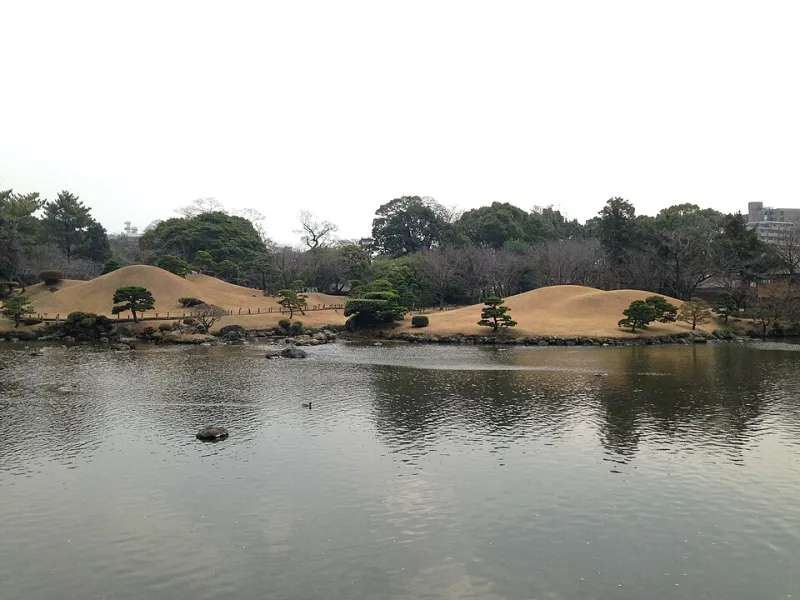
Photo: そらみみ, CC BY-SA 4.0, via Wikimedia Commons
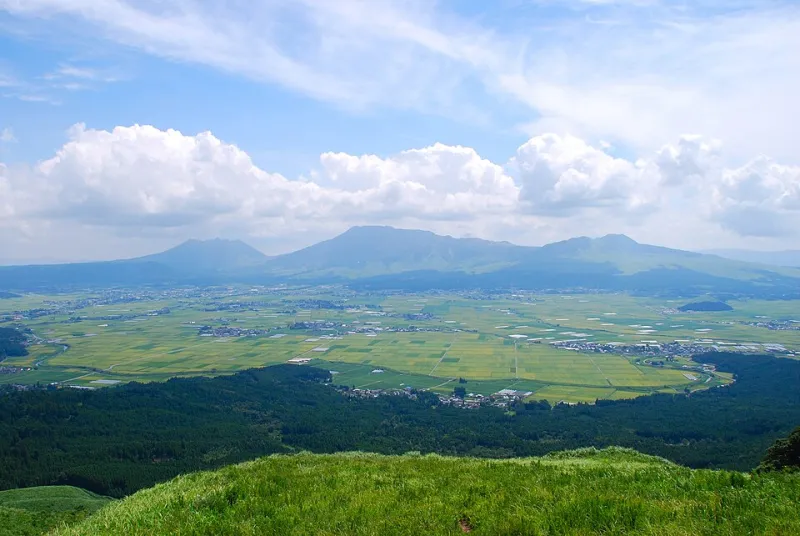
Kumamoto is a city built over a sponge. That is not a metaphor. Rain that falls on the Aso caldera filters through volcanic rock and emerges downtown as springs, well water, and the clear ponds that make Suizenji Garden feel almost artificial in their stillness. For travelers used to treating water as a utility, Kumamoto asks for a small adjustment: here, water is a landmark.
Why the Water Comes First
You can see the volcano in the landscape, but you taste it in the city's water. Kumamoto draws heavily on groundwater, and the result is a place where public wells sit near tram stops and garden ponds are fed by springs rather than pumps. That makes a water-themed walk unusually easy. You do not need a car or a guide. You need a bottle, a little patience, and the willingness to sit still with a cup of tea.
Start early. Kumamoto's water identity is best appreciated before the tour buses and before the afternoon heat turns a garden stroll into a errand.
Start at Suizenji: Ponds That Feel Like a Promise
Suizenji Jōjuen is the obvious first stop, and it earns the obviousness. The garden was laid out in the 17th century for the Hosokawa clan, and its ponds are fed by springs. The water is clear enough to make the koi look suspended. Around the edges, clipped pines and low hills imitate famous Japanese landscapes, but the real attraction is the surface: wind rings, reflected sky, and a calm that feels almost borrowed from another season.
Pay your admission, then walk slowly. Do not drink from the ponds. Do not toss coins. Treat the water as the reason the garden exists, not as a backdrop for a photo. The best view is often from a bench, not from the bridge.
The Etiquette of a Public Well
Kumamoto has public water points around the city, and they are not tourist attractions in the theme-park sense. They are working infrastructure. If you see a well or filling station, look for instructions before you do anything. Some have taps. Some have ladles. Some ask users to fill containers and step aside.
A few simple rules cover most situations. Fill your bottle, then move away from the spout. Do not wash your hands or rinse food in a drinking-water well. Do not pour unused water back. If a local is filling a kettle or a large container, let them go first. Carry a small towel and a few coins in case a nearby shop or tea house expects cash. The water itself is cold, clean, and unremarkable in the best way: it tastes like the city is doing exactly what it should.
Tea, Temples, and a Riverfront Finish
From Suizenji, head toward a tea house or a quiet café and order something simple. Matcha is the obvious choice, but the point is not ceremony. The point is the pause. Watch the steam, listen to the room, and notice how the water softens the bitterness of the tea. This is the slow half of the day.
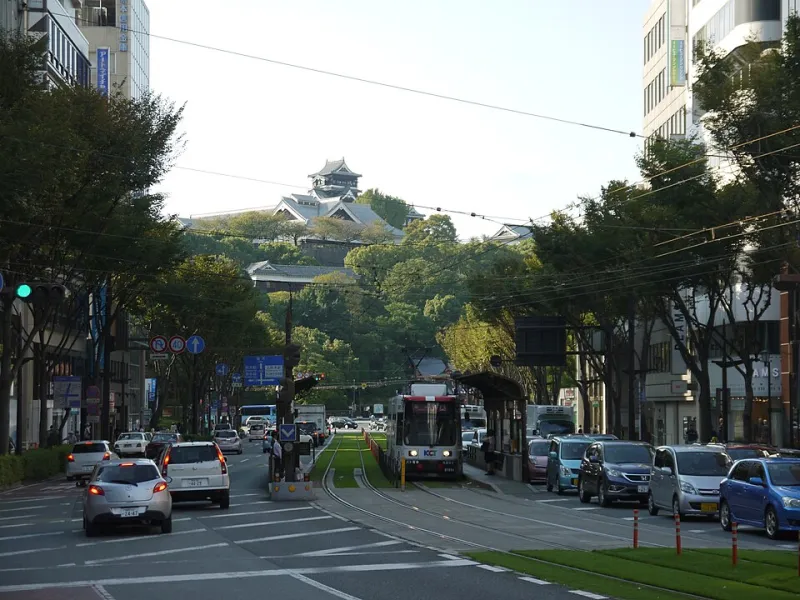
Then make your way toward the Shirakawa riverfront. The river is Kumamoto's other liquid landmark, a broad band of water that changes mood with the light. In the late afternoon, the banks fill with walkers and cyclists. The castle side gives you stone walls and trees; the city side gives you trams and shop signs. Sit on a bench and finish whatever is left in your bottle. It is a small ritual, but it closes the loop.
Build Your Own Water Day
A workable plan looks like this: Suizenji when it opens, a public well on the walk back into the center, a tea stop before lunch, and the Shirakawa in the late afternoon. Keep the distances short. Kumamoto's tram helps, but the water story is best on foot.
Bring a refillable bottle, wear shoes you can walk in, and leave room in your schedule for a second cup of tea. The city's groundwater is not a checklist item. It is the reason the garden is green, the tea tastes clean, and the river feels like a place to linger. Follow it for half a day, and Kumamoto starts to make a different kind of sense.