The Aqueduct Exhales: A Slow Stone-and-Water Day at Tsujunkyo Bridge
Photo: Tsujunkyo Bridge stone aqueduct water release Kumamoto Japan rice fields, via static01.nyt.com
Most Kumamoto itineraries chase the obvious silhouettes: the black curve of a castle wall, the smoke-stained ridge of a volcano. Tsujunkyo Bridge asks you to look lower. It is a stone aqueduct in the rice country of southern Kumamoto, a practical piece of 19th-century engineering that happens to look like a Roman ruin dropped into a Japanese valley. Most days, it is dry. On release days, it opens its mouth and lets the water go.
That brief, noisy exhale is the reason people drive out here. But the bridge is not a theme-park spectacle, and the surrounding country is not a backdrop. If you treat Tsujunkyo as a quick photo stop, you’ll miss the point. The better day is slower: time the release, eat lunch in a roadside dining room, walk a stone lane or two, and let the rice fields do the rest.
A Bridge Built for Rice, Not Selfies
Tsujunkyo was built in the 1850s to move irrigation water across a valley, and its arches still read as infrastructure first and scenery second. The stonework is handsome but not precious—blocky, weathered, slightly uneven in the way that hand-built things are. You can see why locals call it a bridge even though it carries water rather than a road.
The name often gets translated around the idea of a “bridge that spits water,” but the better image is breathing. For most of the year, the aqueduct sits quietly above the fields. During the irrigation season, usually from late June into September, it releases water on select weekends and holidays, typically in a short midday window. The exact 2026 calendar can shift, so check with Yamato Town tourism or the bridge’s official local listings before you build your day around it. Do not assume a random Tuesday will deliver the show.
Timing the Release and the Crowds
If you’re coming from Kumamoto City, this is a half-day drive at minimum, and a full day if you do it right. The most comfortable plan is to arrive before the release, park, and walk the grounds while the site is still quiet. Japanese crowd timing is efficient: people arrive close to the announcement, watch for ten or fifteen minutes, and then peel off for lunch. You can either join that rhythm or wait it out and have the place to yourself afterward.
The release itself is not a geyser. It is a controlled pour, a white column dropping from the aqueduct into the channel below, with spray rising and the stone darkening where the water hits. Kids love it. Tripods love it. The rest of us stand there and watch the valley get briefly loud. Bring a light rain shell if you plan to stand close; the mist travels.
The Dry Country Around It
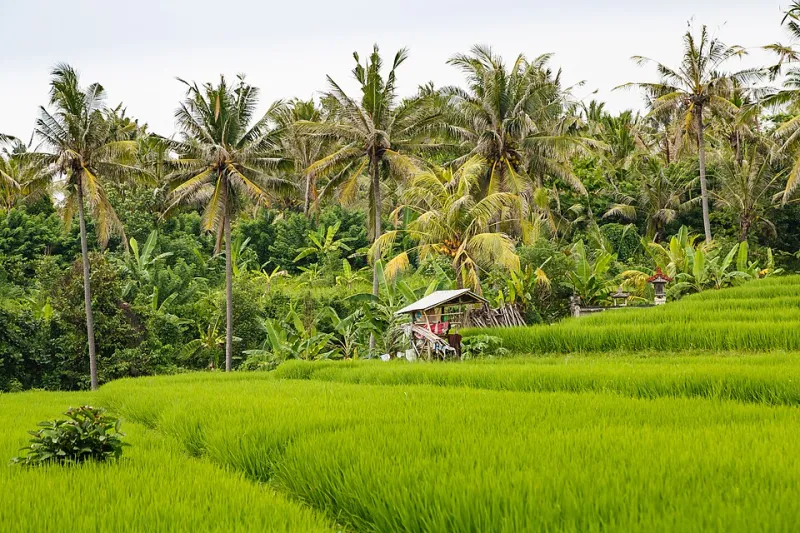
The landscape around Tsujunkyo is the part people forget to write about. This is not the postcard Japan of cedar forests and hot-spring steam. It is agricultural Kumamoto: rice paddies, irrigation channels, low farmhouses, and roads that narrow between fields. In late summer, the greens are almost aggressive. By fall, the rice is cut and the valley looks combed.
Drive slowly. The roads here are not built for American-sized expectations. They are built for kei trucks and rice machinery, with occasional pullouts and blind corners. If you’re used to wide county roads in the US, recalibrate. This is a place to let the rental car idle while a farmer moves equipment, not to make time.
Lunch on the Rural Route
There is no need to chase a Michelin star out here. The pleasure is a roadside lunch: a set meal with rice, pickles, a little fried something, and tea that keeps getting refilled. Look for local farm restaurants, roadside stations, or simple dining rooms attached to produce stands. In southern Kumamoto, you might find horse sashimi on the menu, but you’ll also find everyday comfort food—noodles, tonkatsu, curry, and whatever the day’s vegetables happen to be.
My advice: eat before the release if you’re hungry, or after if you can wait. The nearby roadside stops are not big-city convenience stores, and hours can be short. Carry cash. Some small kitchens and farm shops still prefer it, and the nearest ATM is not always around the corner.
A Walk Through Stone Country
After lunch, don’t rush back to the expressway. The area around Tsujunkyo rewards a short walk, especially if you like old stonework. You’ll see retaining walls, irrigation channels, and humble bridges that share the same material logic as the aqueduct. None of it is officially spectacular. All of it adds up.
If you want a longer leg-stretch, ask locally about safe walking routes through the nearby fields and lanes. Avoid narrow roads without shoulders, and stay off private farm tracks. The best stone-country walks here are not wilderness hikes; they are quiet village edges where the sound of running water follows you from one paddy to the next.
Practical Notes for US Travelers
You will want a car. Public transport to this part of Kumamoto is thin, and the bridge is not conveniently tied to the castle-and-tram version of the city. The usual route is to take the Kyushu Shinkansen to Shin-Yatsushiro, pick up a rental car, and drive south. From there, it’s a rural drive on a mix of two-lane roads and farm lanes. Use offline maps and download the route before you leave the city.
Wear shoes you don’t mind getting dusty. Bring water. Check the release schedule twice—once when you plan, once the morning of. And keep your expectations calibrated: this is a beautiful piece of working heritage, not a fountain show. The reward is the whole day, not just the ten minutes when the water falls.
The Case for the Detour
Kumamoto gives travelers plenty of big-ticket scenery. Tsujunkyo is a different kind of stop: a stone bridge that thirsts, a valley that depends on it, and a lunch that tastes better because you had to drive a little farther to find it. If you have an extra day and a rental car, point it south. The aqueduct will do the rest.