The Town That Lights Itself: An Evening in Yamaga
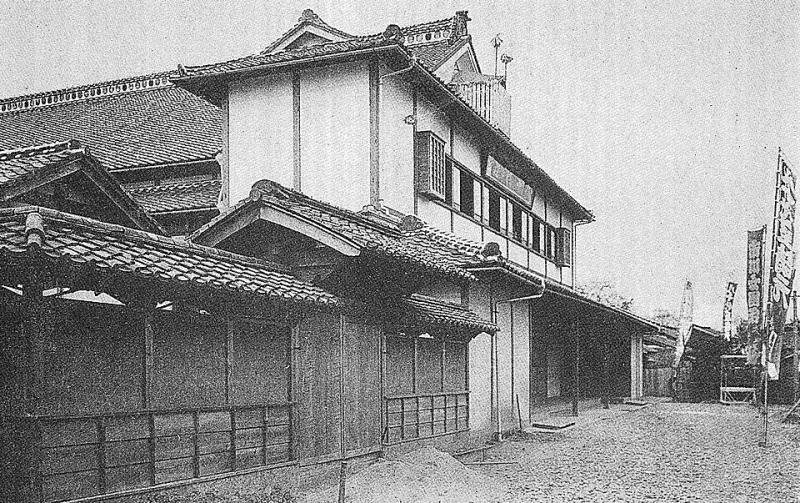
Photo: Unknown authorUnknown author, Public domain, via Wikimedia Commons
Most travelers in Kumamoto point the rental car at Aso and floor it. Fair enough—there's a caldera to see. But if you've already done the volcano loop, or you're the kind of person who'd rather trade a checklist for a slow wander through a town that makes things by hand, Yamaga is the detour worth taking. It sits about an hour north of Kumamoto City by bus, and it rewards the people who don't treat it as a half-hour photo stop.
The pitch is simple: paper lanterns, a restored playhouse with a wooden soul, a handful of craft workshops, and a local onsen to finish. No timed entry. No shuttle bus. Just a town that gets quiet after five and stays that way.
First, the Lantern Logic
Yamaga's name is tied to its lantern festival, held every August, when thousands of handcrafted paper lanterns are carried through the streets and the whole town seems to glow from the inside out. But the lanterns aren't only a festival prop. They're a year-round craft here, and you'll see them in shop windows, stacked in workshops, and hanging above doorways—delicate wood frames covered in washi paper, painted with flowers or characters or nothing at all.
If you arrive in the late afternoon, start with a slow loop through the older streets near the center. Don't hunt for a specific address. Just follow the quiet. You'll pass small storefronts selling lacquerware, wooden toys, and sweets, and you'll probably smell soy sauce or roasting tea before you see the shop. This is the part of Yamaga that feels less like a tourist town and more like a place where people still make a living from small things.
Yachiyoza: The Playhouse With a Pulse
The centerpiece is Yachiyoza, a wooden playhouse built in 1910 and restored to something close to its original character. It's not a museum piece behind glass. You can walk the creaking boards, peek under the stage at the manual revolving mechanism, and imagine what it felt like to sit in the cheap seats a century ago. The theater's lineage here reaches back further than the building itself—Yamaga has been a theater town for centuries—but Yachiyoza is the physical reminder that survived.
Check the schedule before you go. If there's a performance or a tour running, take it. The tours are short and low-key, and they explain the trap rooms and the old lighting rigs without turning it into a history lecture. If the building is empty, that's fine too. Standing in the dark wooden auditorium with the doors open to the street is its own kind of show.
Dinner Before the Soak
By early evening, the streets empty out and the lanterns start to matter more. This is when you should eat. Yamaga's local specialty is torimeshi—chicken and rice, usually served in a bowl with a savory sauce and enough heft to fuel a walk back to the bus. You'll find it at a handful of casual spots near the center, alongside noodle shops and small izakaya that open for the dinner crowd.
Don't overplan this part. Pick a place with a few locals inside and a handwritten menu. Order the torimeshi. Maybe add a side of pickles and a cold drink. The point isn't a culinary pilgrimage; it's a good, unfussy meal in a town that hasn't styled itself for Instagram.
A Small Onsen Finish
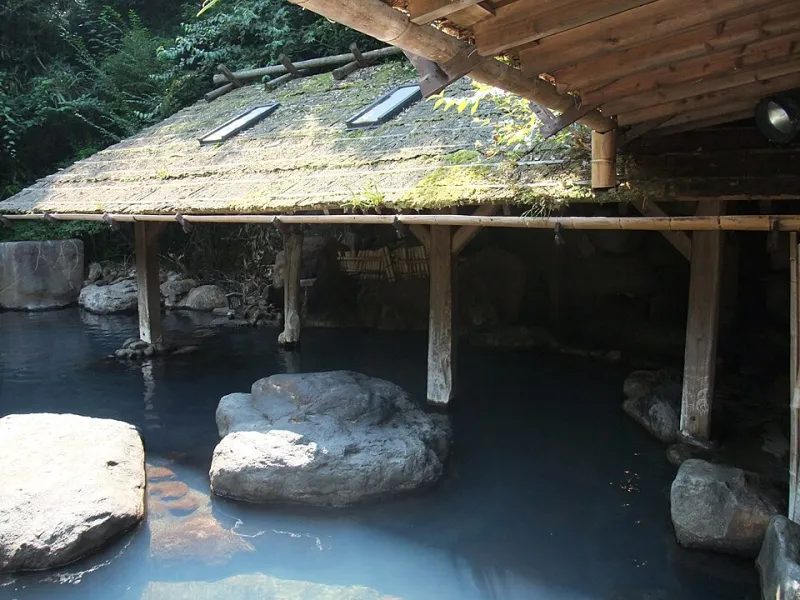
Yamaga has its own onsen, and it's the kind of bath that feels like a neighborhood secret rather than a resort amenity. The water is warm and simple, the changing room is small, and the whole experience takes about an hour if you don't rush. Bring a towel or buy one at the counter. Follow the usual rules: wash first, keep your voice down, and don't dunk your hair.
A soak here does something specific. It resets the pace. You go in with the day's travel still in your shoulders and come out walking slower, noticing the lanterns again on the way back to the bus stop. That's the whole point of Yamaga after dark.
Practical Notes for the Evening
Buses from Kumamoto City to Yamaga run regularly during the day, but the evening schedule thins out. Check the last return bus before you commit to dinner, or plan to stay overnight at one of the small local inns. A rental car gives you more flexibility, but you won't need one once you're in town—Yamaga's center is walkable, and the onsen is close enough to reach on foot.
Go on a weekday if you can. The town is quieter, the shopkeepers have more time to talk, and the playhouse feels less like a stop on a group itinerary. Bring cash for small shops and bath fees. Wear shoes you can slip off easily. And leave room in your bag for a paper lantern—they pack flat and weigh almost nothing, which is more than you can say for most souvenirs.
Yamaga isn't trying to compete with Aso or Kurokawa. It's doing its own thing: paper light, old wood, a warm bath, and a bowl of chicken rice. That's enough. Sometimes that's exactly enough.